
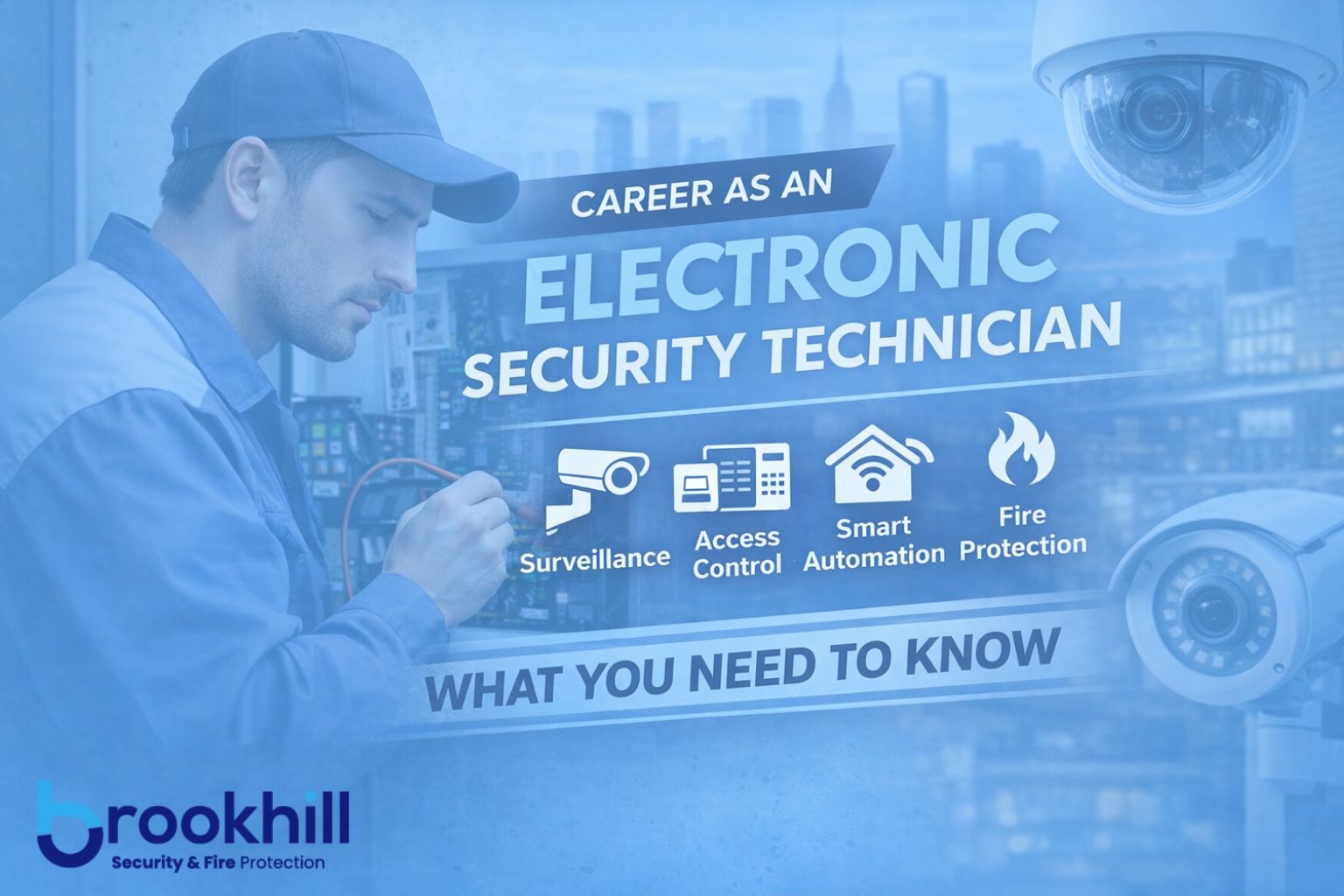
As security technology continues to evolve, the demand for skilled electronic security technicians is growing across residential, commercial, and industrial environments. From surveillance systems to smart automation, these professionals play a key role in protecting people, property, and operations.
If you’re considering a career in this field—or looking to better understand the expertise behind modern security systems—this guide outlines everything you need to know.
An electronic security technician specializes in installing, maintaining, and troubleshooting low-voltage systems used to secure properties and buildings.
These systems commonly include:
• Surveillance cameras (CCTV and IP systems)
• Access control systems (keypads, fobs, mobile credentials)
• Alarm systems (intrusion detection)
• Fire protection systems
• Intercom and communication systems
• Smart home and building automation technologies
Technicians ensure these systems are properly installed, fully operational, and optimized for long-term performance.
Electronic security technicians handle a wide range of responsibilities depending on the project and environment.
Typical responsibilities include:
• Installing and configuring security systems
• Running and terminating low-voltage wiring
• Programming access control and alarm systems
• Testing and troubleshooting equipment
• Performing upgrades and preventative maintenance
• Ensuring systems meet safety and compliance standards
Their work is essential to maintaining reliable and effective building security.
This role requires a combination of technical knowledge and hands-on problem-solving.
Important skills include:
• Understanding of low-voltage electrical systems
• Familiarity with networking and IP-based devices
• Ability to read blueprints and system layouts
• Strong troubleshooting and diagnostic skills
• Attention to detail and safety awareness
• Clear communication with clients and team members
As technology advances, experience with smart automation and integrated systems is becoming increasingly valuable.
While some technicians begin through hands-on experience, formal training and certifications can help accelerate career growth.
Common pathways include:
• Technical or Trade School Programs
• Low-voltage or electrical certifications
• Manufacturer-specific system certifications
• Fire alarm training and certifications
• OSHA safety training
Certifications can improve job opportunities and demonstrate expertise in specialized systems.
Electronic security technicians are in demand across a wide range of industries.
Career opportunities include:
• Security and fire protection companies
• Commercial real estate and property management
• Construction and development projects
• Smart home and automation companies
• Government and institutional facilities
As buildings become more connected, professionals with experience in both security and automation systems are especially valuable.
Several trends are driving demand for electronic security technicians:
• Increased focus on safety and risk management
• Growth in smart home and smart building technologies
• Expansion of surveillance and access control systems
• Ongoing development in residential and commercial construction
As technology continues to evolve, the need for skilled technicians will continue to grow.
Modern security systems are no longer standalone. Today’s systems integrate surveillance, access control, fire protection, and automation into a unified platform.
Electronic security technicians are responsible for implementing systems that:
• Enable real-time monitoring
• Improve operational efficiency
• Enhance safety and response times
• Provide remote access and control
This evolution makes the role more dynamic and technology-driven than ever before.
For individuals seeking a hands-on, technology-focused career, electronic security offers strong long-term potential.
With the right experience and training, career paths may include:
• Senior technician
• System designer
• Project manager
• Security consultant
As the industry continues to advance, professionals who stay current with emerging technologies will remain highly in demand.
At Brookhill NY | Security & Fire Protection, our team specializes in designing, installing, and maintaining advanced security systems, fire protection infrastructure, and smart automation solutions for residential and commercial properties.
Our technicians play a critical role in delivering reliable, high-quality systems that help protect people, property, and operations.
Ready to boost your home security? Contact Brookhill Tech Designs today. Our experts will help you find the perfect option from our advanced security solutions, . Ensure your peace of mind without delay. Start your personalized security assessment by filling out our form.

Address:
900 Walt Whitman Rd, Suite 307
Melville, NY 11747
Phone Number: 516-421-6999
Service Areas:
Nassau County, Suffolk County,
New York Metro Area